Who do we eat with

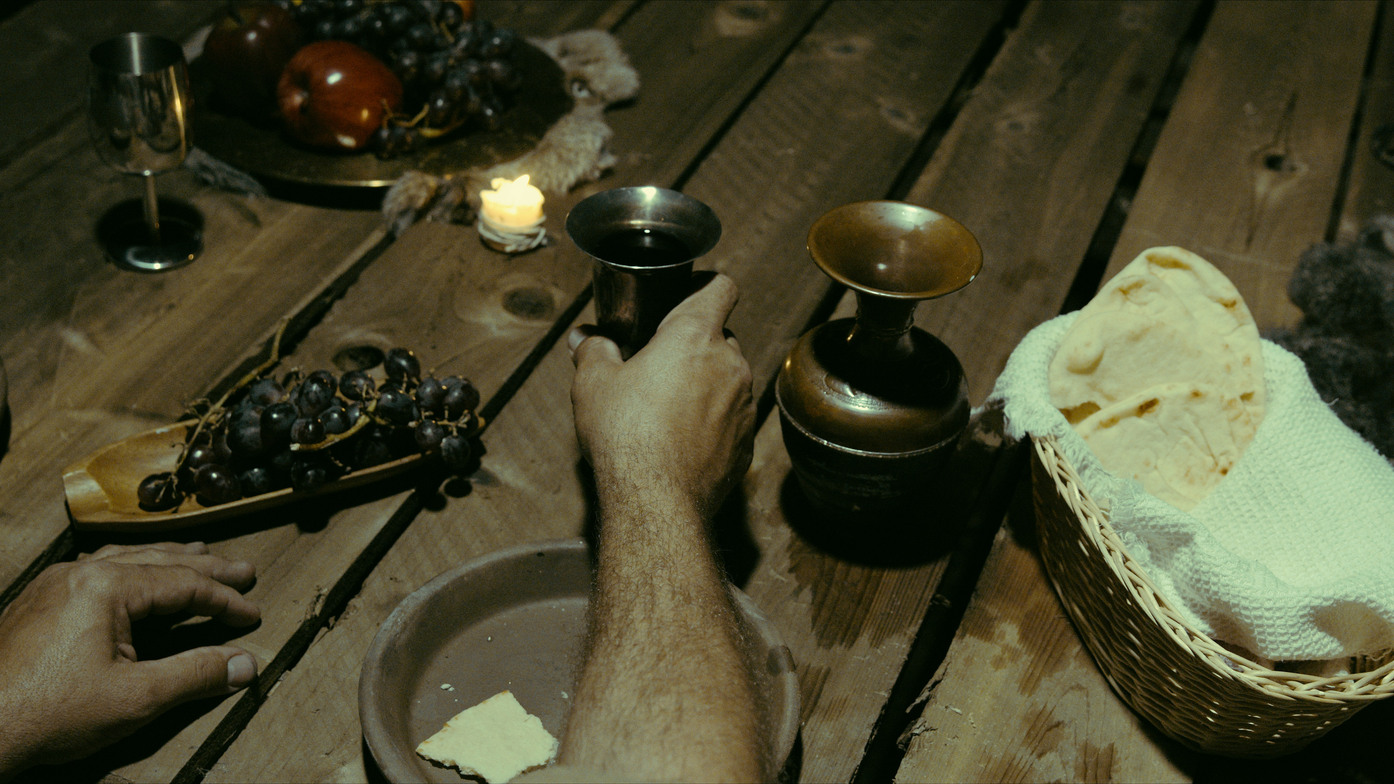
Who Do We Eat With?
Jesus says in the Gospel this week, “I have come to call not the righteous, but sinners. I desire mercy, not sacrifice.”
Again and again, Jesus gives us powerful examples of how to live in the face of injustice. He reminds us that our daily interactions — the people we welcome, the people we sit beside, the people we eat with — often matter more than the sacrifices or religious devotion we claim to offer.
This week’s Gospel gives us a whirlwind of encounters. Jesus first calls Matthew, a tax collector. Tax collectors were appointed by Rome, but they were often native to the land. Because of this, they were seen by many Jewish people living in and around Judea as collaborators with the occupiers. They were despised for assisting Gentile powers and often associated with dishonesty. They were considered among the worst kinds of sinners.
And yet Jesus calls Matthew.
Matthew stops what he is doing, walks away from his old life, and follows him. I am sure there is more to the story, but even in this brief moment we see something holy: the Spirit is always at work and can be transformative. Jesus’ focus is not only on how Matthew is seen by others, but on what Matthew can become through grace.
Then, as Jesus is dining, Jairus comes to him and says, “My daughter has died.” As a father, I cannot imagine that kind of desperation. I would do anything and everything I possibly could to save my child. Jairus seeks out Jesus in his most desperate hour, trusting that the Lord will give freely of himself.
Jesus goes to the child, touches her, and raises her from death. To touch the body of a dead person would have made Jesus unclean according to the religious standards of the time. But that does not matter to Jesus. Jesus shows us that righteousness without mercy is empty.
Then we meet a woman who has been bleeding for twelve years.
We do not talk enough about women’s health in this country. For far too long, women have suffered while being ignored, dismissed, or forced to explain their pain over and over again. Black and Brown women continue to face higher infant mortality rates, higher rates of misdiagnosis, and unequal treatment in medical systems. Too often, women are told their pain is normal, exaggerated, or simply in their heads.
In biblical times, this woman’s condition would have brought not only physical suffering but social isolation and religious exclusion. She would have been treated as unclean. Yet Jesus sees her. He recognizes her pain and her dignity. He calls her by one of the most tender names possible: “Daughter.”
“Daughter, your faith has made you well.”
Jesus heals not only her body, but also the indignity and isolation imposed upon her.
So now we have the beginning of a good joke: Jesus, a tax collector, a dead girl, and a bleeding woman all meet in Judea.
But it is not really funny, is it?
Because what Jesus is doing is confronting the injustice of the world around him. He shows the powers that be how to love those they have labeled unclean. He asks us to reconsider what we call righteous and replace it with what is merciful.
The people called “unclean” in this Gospel are people who need help, love, and restoration. They are vulnerable. They are overlooked. They are a child. They are a sick woman cast to the margins. They are a tax collector caught in the machinery of empire.
And Jesus welcomes them.
Jesus offers them healing — not only physical healing, but spiritual healing through grace.
It makes me think about today and the ways we live by our own judgments of others. The people Jesus welcomed to the table are the same kinds of people our world still labels unclean: the homeless, the immigrant, the mentally ill, the sick, the poor, the outsider.
We hear it all the time. The language of exclusion becomes so common that we begin to mistake it for truth. We risk repeating the mistakes of Rome, where empire teaches us to fear the vulnerable and despise the stranger.
That is why language matters. The way we describe human beings shapes the way we treat them. When we reduce people made in the image of God to threats, burdens, or outsiders, we insult the Creator who made them.
Our immigrant neighbor is not an alien to God. Our homeless neighbor is not disposable to God. Our sick neighbor is not forgotten by God. Each one is human. Each one bears the image of God. Each one belongs at the table.
When Jesus is asked, “Why does your teacher eat with tax collectors and sinners?” the answer is simple:
Because they are our neighbors.
They are our friends. They are our loved ones. They are part of the community of God.
We eat with them because the community of God is what makes us whole. The Spirit of God transcends border walls and false divisions. Anything else risks calling the creation of God unclean.
The sin occurring today is the division of God’s people.
In the Psalm this week, we hear God say:
“Not for your sacrifices do I rebuke you; your burnt offerings are continually before me. Offer to God a sacrifice of thanksgiving, and pay your vows to the Most High. Call on me in the day of trouble; I will deliver you, and you shall glorify me.”
God is not impressed by sacrifice without mercy. God is not moved by righteousness that becomes power, exclusion, or control. Human beings often confuse righteousness with domination. But Jesus shows us something different.
True righteousness is found in mercy.
In Christ, we see the fullness of God’s law fulfilled through love. We see that God’s desire is not empty sacrifice, but transformed hearts and merciful lives.
Jesus says it plainly:
“I desire mercy, not sacrifice.”
So the question for us is this: Who do we eat with?
Do we sit only with those who make us comfortable? Do we welcome only those who already belong? Or do we follow Jesus to the tables where sinners, outcasts, strangers, and the so-called unclean are already being gathered by grace?
May we dig deep. May we place mercy at the forefront of our actions. May we look into our own souls and find the places where Jesus is calling us to sit, eat, listen, and love.
Amen.